THE PLAYBOOK · SZNTHZB
Follow the steps for Futoshiki
Start Futoshiki by looking at the playing area and its controls. Place 1–4 once in each row and column while obeying every inequality. Look at what changes after your first action. Check the rule that explains your first action. Look at what changes after your first action.
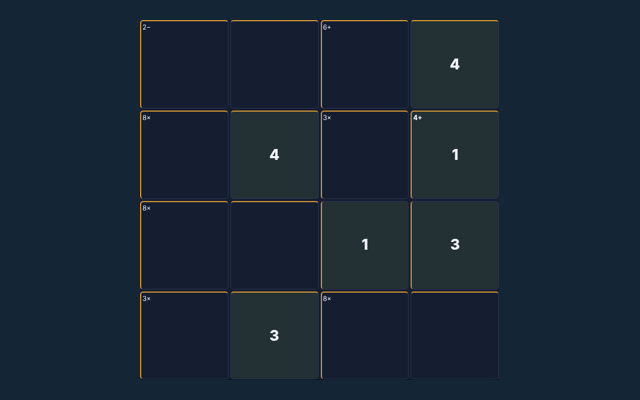
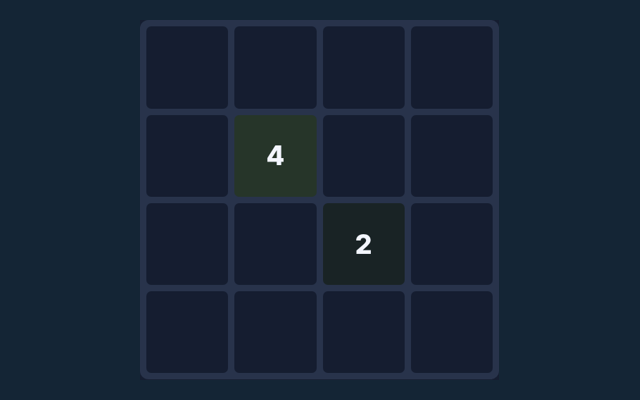
Twelve 4×4 puzzles with fixed starter values.
Something to practise
Locate the buttons and input area before beginning a long round. Use the on-screen labels to avoid an accidental restart. Notice the feedback after each input.
The challenge in front of you
Place 1–4 once in each row and column while obeying every inequality. Keep that objective in view throughout the round. Take a moment to understand the current position.
Making your moves
- Select an editable square.
- Read inequalities by their row/column coordinates below the board.
- Enter 1–4.
- Check puzzle verifies both Latin-square rules and inequalities.
How to use the controls
Click or tap squares or graph edges. Number boards include a digit pad. Undo reverses the previous change; Check puzzle validates the solution. Read a button’s label before selecting it. Check any mode label before starting.
One way to understand the rules
r1c2 < r1c3 means row 1 column 2 is smaller than row 1 column 3. Apply the same reasoning to the position in your own round. Keep the game’s format in mind.
Where a round can go wrong
An inequality specifies order, not an exact difference. Check the rule before repeating the action. Locate the buttons and input area before beginning a long round. Use the on-screen labels to avoid an accidental restart.
If you are unsure
While reading the Guide, what is the goal of Futoshiki?
Keep this in mind: Place 1–4 once in each row and column while obeying every inequality.
How do I control Futoshiki?
Click or tap squares or graph edges. Number boards include a digit pad. Undo reverses the previous change; Check puzzle validates the solution.
What example helps explain Futoshiki?
For clarity: r1c2 < r1c3 means row 1 column 2 is smaller than row 1 column 3.
While reading the Guide, what should I watch out for in Futoshiki?
Here is the relevant explanation: An inequality specifies order, not an exact difference.
When I return, what format does Futoshiki offer?
For clarity: Twelve 4×4 puzzles with fixed starter values.
When I return, which play mode does Futoshiki use?
The mode on this page is Solo. Same-device play uses one screen; this game library does not provide internet matchmaking.